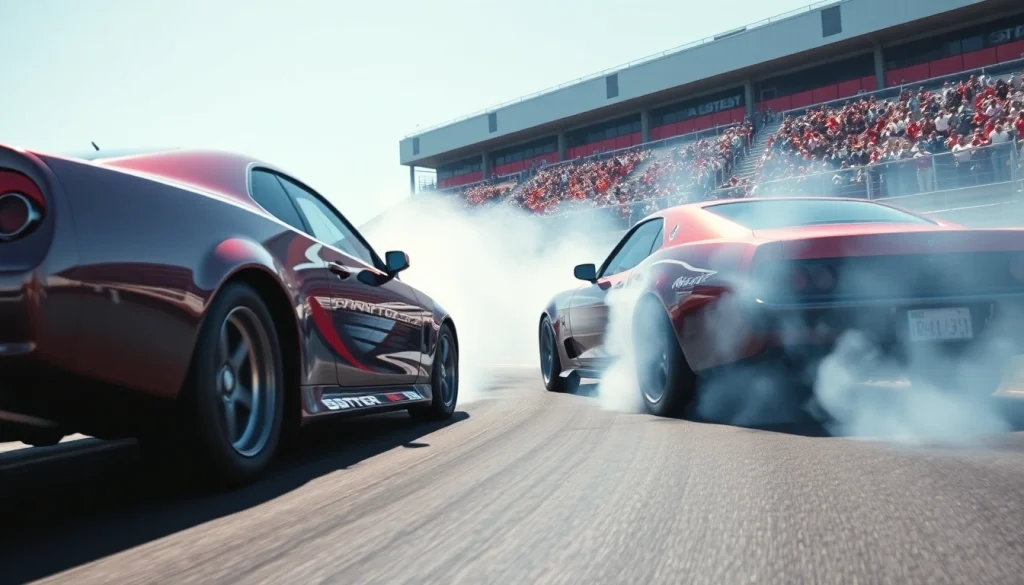
Introduction to Drag Racing
If you have ever marveled at speeding cars competing side by side, dragging down a straight track, you have likely encountered the exhilarating world of Drag Racing. This form of motor racing is not only a test of speed but also a showcase of engineering prowess and driver skill. In drag racing, automobiles or motorcycles race against each other, typically two at a time, aiming to be the first to cross a specific finish line, usually after a straight stretch of track.
What is Drag Racing?
Drag racing is a competitive type of motorsport where drivers accelerate their vehicles down a straight strip, showcasing raw speed and control. The most common distance for a drag race is a quarter mile, although shorter distances, such as an eighth mile or even a 1,000-foot run, are also prevalent. Drag races usually feature two vehicles that launch from a standstill, and the winner is determined by who crosses the finish line first. Factors like vehicle type, engine performance, and driver reaction time play crucial roles in determining the outcome.
History and Evolution of Drag Racing
The roots of drag racing can be traced back to the post-World War II era in America when soldiers returned home with a newfound passion for speed and performance. The first organized drag races occurred in 1949, in Southern California, at the Goleta Airfield. This initial event laid the groundwork for what would become a highly organized and enjoyed sport.
As the years progressed, drag racing evolved significantly. The National Hot Rod Association (NHRA) was established in 1951 to formalize the sport, instating rules, classifications, and safety guidelines. Today, drag racing includes various classes and events, from local amateur races to major professional events, such as the NHRA Championship Series.
Types of Drag Racing Events
The diverse world of drag racing includes various types of events that cater to different vehicle types and racing formats. Here are some of the most popular forms:
- Professional Drag Racing: These events feature top-tier competitors and specially built vehicles designed for maximum speed and performance. The NHRA and IHRA host most professional races, attracting large crowds and significant sponsorships.
- Amateur Drag Racing: Typically organized by local clubs or tracks, amateur events allow enthusiasts to test their skills and modify their vehicles without the pressures associated with professional racing.
- Bracket Racing: This format allows vehicles with varying levels of performance to compete against each other by matching them up according to their capability. Racers are paired so that an experienced driver could potentially lose to a slower vehicle if they have a bad start or misjudge their strategy.
- Street Racing: Although often illegal and dangerous, street racing represents the underground culture associated with drag racing. Some enthusiasts participate in informal races on city roads, emphasizing the need for both safety and legal racing venues.
Understanding Drag Racing Mechanics
To gain an edge in drag racing, it is crucial to comprehend the mechanical components and modifications that contribute to a vehicle’s performance. The emphasis here is on understanding not just the power of the engine but also the intricate details that can impact speed and control.
Essential Car Modifications for Speed
When it comes to drag racing, car modifications play a vital role in performance enhancement. Here are some critical modifications that can improve speed:
- Engine Upgrades: Increasing horsepower through engine modifications such as turbocharging, supercharging, or installing performance camshafts can significantly enhance speed.
- Suspension Tuning: A well-tuned suspension system allows for better traction during acceleration. Adjustable shocks and performance springs can improve handling and reduce wheel hop.
- Exhaust Systems: Upgrading to a high-performance exhaust system reduces back pressure and enhances engine efficiency, allowing for quicker acceleration.
- Weight Reduction: Every pound reduced from the vehicle’s weight can improve acceleration. Techniques like using lightweight materials or stripping unnecessary components can lead to significant performance gains.
Tuning Techniques for Optimal Performance
After making necessary modifications, fine-tuning the vehicle is essential to unlock its full potential. Here are some tuning techniques:
- ECU Tuning: Adjusting the engine control unit (ECU) to optimize fuel maps and ignition timing can lead to substantial performance improvements.
- Dyno Testing: Utilizing a dynamometer to measure the car’s power output can help identify issues and areas for improvement in tuning.
- Fuel Type Selection: Choosing high-octane fuels can allow for more aggressive timing maps, leading to increased horsepower.
Understanding the Importance of Weight Distribution
Optimizing weight distribution is crucial for drag racing success. A balanced vehicle will handle better during acceleration, allowing for improved performance. Key factors to consider include:
- Front-to-Rear Ratio: Ideally, a well-balanced car should have slightly more weight at the rear, improving traction and reducing wheel spin during launches.
- Adjustable Weight Systems: Some racers install adjustable weight systems to fine-tune their vehicle’s balance based on track conditions.
Techniques for Winning Drag Races
Winning drag races requires more than just a powerful vehicle. The driver’s skill and techniques play a pivotal role in achieving success. Here are essential techniques for mastering drag racing:
Starting Technique and Reaction Time
The start of a drag race is one of the most critical phases. A quick reaction time can make the difference between winning and losing. Here are strategies to improve starting technique:
- Practice the Christmas Tree: Familiarity with the starting lights (called the Christmas Tree) is essential. Drivers must learn to gauge their reaction time based on the changing lights.
- Launch Control: Engaging launch control technology, available in many modern vehicles, can help ensure an optimal takeoff, reducing the risk of wheel spin.
Shift Techniques: Timing and Precision
Effective shifting is critical for maintaining speed through the race. Here are techniques to enhance shift timing:
- Know Your Gear Ratios: Understanding your vehicle’s gear ratios can help you time your shifts perfectly to maintain momentum.
- Practice Blipping the Throttle: For manual transmission vehicles, “blipping” the throttle during downshifts can smooth out the transition and improve speed.
Strategies for Different Race Conditions
Different environmental conditions, such as weather, temperature, and track surface, can impact dragging performances. Here are strategies for various conditions:
- Tracking Weather Conditions: Warmer temperatures can reduce air density and horsepower, so adjusting air-fuel ratios may be necessary.
- Choosing Tire Compound: Tire choices should be made based on track conditions. Softer compounds may provide improved grip on a hot track but risk wear on cooler surfaces.
Safety in Drag Racing
Safety in drag racing cannot be emphasized enough. The high speeds and competitive nature of the sport require that both drivers and spectators adhere to strict safety protocols.
Essential Safety Gear for Drivers
Drivers must wear appropriate safety gear to minimize injuries in case of an accident. Here’s a rundown:
- Helmet: A certified helmet that meets racing standards is essential for head protection.
- Fire Suit: A fire-resistant suit can protect the driver from flame injury.
- Gloves and Racing Shoes: These protect against burns and provide better grip on the controls.
Tips for a Safe Racing Environment
A safe drag racing environment is critical for both drivers and spectators. Some key safety measures include:
- Thorough Track Inspections: Regular inspections of the drag strip and surrounding areas ensure a safe racing environment.
- Clear Communication: Ensuring that all participants are aware of the rules and signals can help prevent accidents.
Understanding Track Regulations and Safety Protocols
Each track will have its own set of regulations designed for safety. Familiarizing yourself with these rules is critical:
- Safety Check Lists: Before races, drivers should complete safety checklists to ensure their vehicles are compliant with safety regulations.
- Emergency Response Plans: Understanding emergency procedures in case of accidents is crucial for any drag racer.
The Future of Drag Racing
The landscape of drag racing is continually evolving, influenced by technological changes and shifting audience interests. Here’s a look at what’s on the horizon:
Emerging Trends in Drag Racing Technology
Technological advancements are a driving force behind the evolution of drag racing. Some exciting trends include:
- Advanced Data Analytics: Teams can now utilize telemetry and data analysis tools to track every aspect of a run, optimizing performance through data-driven decisions.
- Smart Integrations: Modern cars come equipped with smart technology that aids in real-time adjustments for race strategy.
The Role of Electric Vehicles in Drag Racing
The increasing interest in electric vehicles (EVs) is reshaping the drag racing landscape. EV drag racing showcases the incredible torque and speed capabilities of electric engines. Some noteworthy elements include:
- High Acceleration: The instantaneous torque of electric motors provides EVs with unprecedented acceleration, leading to thrilling races.
- Sustainability Trends: As sustainability concerns grow, EVs offer a cleaner alternative to traditional fuels in drag racing.
Community Growth and Engagement in Drag Racing
The drag racing community continues to flourish, driven by increased engagement and diverse forms of racing. Key points include:
- Increased Accessibility: Online platforms and social media have made it easier for people to connect with races and fellow enthusiasts.
- Family-Friendly Events: Many events aim to draw in families, featuring activities that engage younger audiences and foster a new generation of racers.